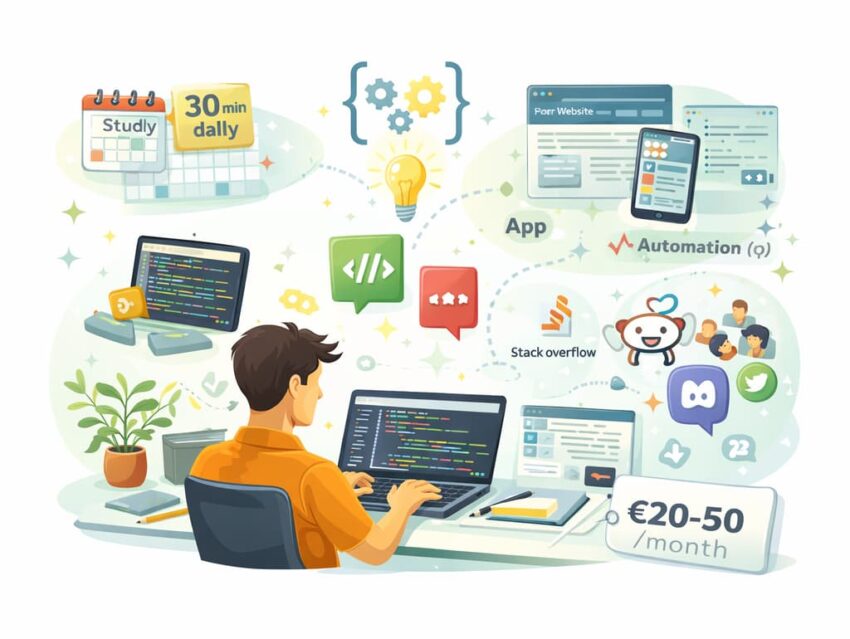
Learning programming has never been more accessible than it is today. Unlike any entertainment platforms like streaming, where you passively consume content, educational coding platforms, similar to any casino online buitenland or video game, engage you actively in building real skills through hands-on practice. Aspiring developers can now master languages from anywhere in the world, choosing from hundreds of courses tailored to different goals and experience levels. Whether you’re pursuing a career change or exploring coding as a hobby, understanding which platforms suit your learning style is essential for success.
Why Choose Online Programming Education
Online programming education offers distinct advantages over traditional classroom settings. The self-paced nature allows you to learn according to your schedule, making it ideal for working professionals or students with other commitments. Most platforms provide hands-on coding exercises within the browser, eliminating the need for complex software installations when starting out.
Cost is another significant factor. While university computer science degrees can cost tens of thousands of euros, many online courses are available for free or at a fraction of traditional education costs. Even premium platforms typically charge between €20-50 per month, providing access to hundreds of courses across multiple programming languages and technologies.
Types of Online Learning Resources
The online programming education landscape includes several distinct types of resources, each serving different learning needs and preferences.
Interactive Coding Platforms
Interactive platforms like Codecademy, freeCodeCamp, and Scrimba provide hands-on coding experience directly in your browser. These platforms emphasize learning by doing, with immediate feedback on your code. They’re particularly effective for beginners who need structured guidance and want to see results quickly.
Video-Based Course Platforms
Services such as Udemy, Coursera, and Pluralsight offer video-based courses taught by industry professionals. These platforms work well for learners who prefer watching demonstrations and following along. Many courses include downloadable resources, quizzes, and project assignments to reinforce learning.
Bootcamp-Style Programs
Online bootcamps like Le Wagon, Codecool, and Ironhack offer intensive, structured programs designed to take beginners to job-ready developers in 12-24 weeks. While more expensive (€5,000-15,000), these programs provide mentorship, career support, and a cohort-based learning experience.
Popular Platforms for Learning Programming
Several platforms have established themselves as leaders in online programming education, each with unique strengths.
freeCodeCamp stands out as a completely free resource offering comprehensive curricula in web development, data science, and machine learning. With over 3,000 hours of content, it’s ideal for self-motivated learners on a budget.
Coursera partners with universities and companies to offer professional certificates and degree programs. Their courses often include peer-reviewed assignments and recognized credentials, making them valuable for career advancement.
Udemy provides affordable individual courses (often on sale for €10-15) covering virtually every programming topic. The quality varies by instructor, so checking reviews is essential before purchasing.
The Odin Project offers a free, open-source curriculum focused on full-stack web development. It’s project-based and emphasizes learning how to learn, making it excellent for building problem-solving skills.
Choosing the Right Course for Your Goals
Selecting appropriate learning resources depends on several factors. First, identify your objective: are you learning for career change, hobby projects, or specific skill enhancement? Your goal determines which language and learning path to pursue.
Consider your current experience level. Complete beginners benefit from structured, beginner-friendly platforms like Codecademy or freeCodeCamp that explain fundamental concepts thoroughly. Those with programming experience might prefer more advanced platforms like Pluralsight or Frontend Masters.
Learning style matters significantly. Visual learners thrive with video-based courses, while kinesthetic learners prefer interactive coding challenges. Many successful learners combine multiple resources, using videos for concepts and interactive platforms for practice.
Budget and time commitment are practical considerations. Free resources can be equally effective as paid ones if you’re disciplined. However, paid courses often provide better structure, support, and credentials that can benefit job searching.
Maximizing Your Online Learning Success
Success in online programming education requires more than just enrolling in courses. Build a consistent study schedule, even if it’s just 30 minutes daily. Regular practice is more effective than occasional marathon sessions.
Work on real projects alongside course material. Apply what you learn by building something that interests you, whether it’s a personal website, a mobile app idea, or automation scripts for daily tasks. Projects solidify learning and create portfolio pieces for potential employers.
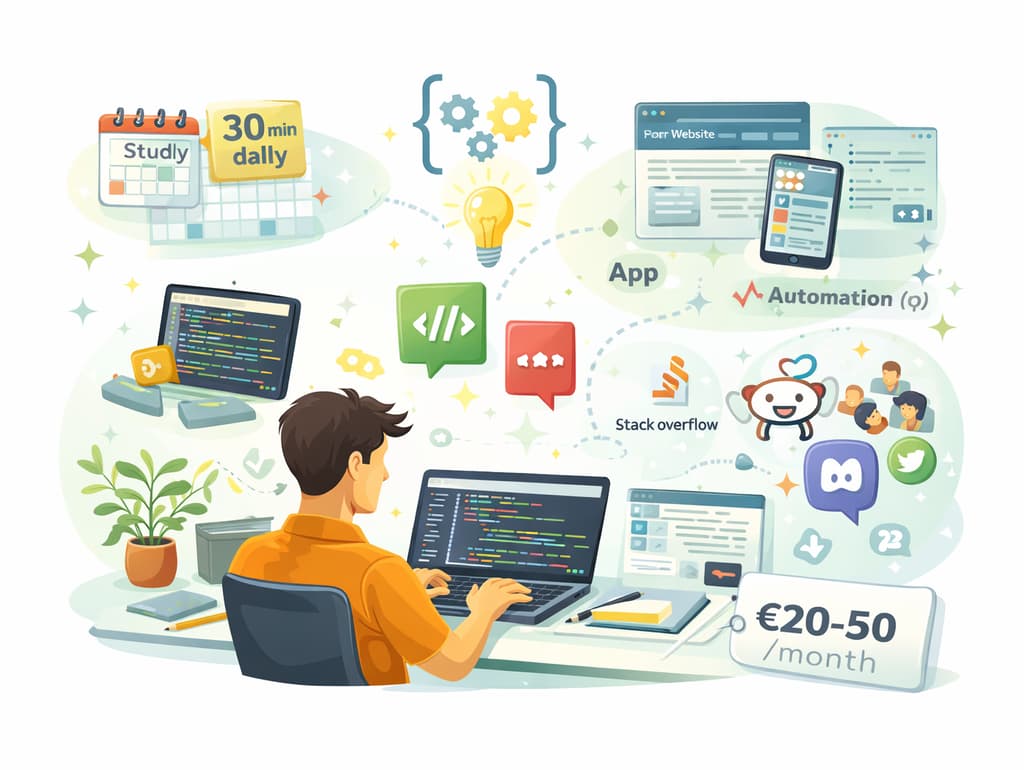
Join programming communities like Stack Overflow, Reddit’s programming subreddits, or Discord servers dedicated to specific languages or frameworks. These communities provide support when you’re stuck, expose you to diverse perspectives, and keep you motivated through challenging concepts.
Don’t rush through material to complete courses quickly. Focus on understanding concepts deeply rather than accumulating certificates. Pause videos to experiment with code, break things intentionally to see what happens, and seek to understand the “why” behind programming patterns.
Your Path Forward in Programming
Learning programming online has become the most practical and effective path for many aspiring developers. With the wealth of available courses, platforms, and communities, the main barriers are no longer access or cost but rather commitment and consistency. The platforms discussed offer proven pathways to programming proficiency, whether through free resources or paid premium services. Start with one platform that matches your goals and learning style, commit to regular practice, and engage with the developer community. Your programming journey begins with a single line of code.